How Is Magnesium Deficiency Diagnosed?
How Is Magnesium Deficiency Diagnosed?
Magnesium deficiency is diagnosed based on a combination of medical history, symptoms, risk factors, and laboratory testing. Because magnesium is distributed throughout the body, diagnosing low magnesium levels can sometimes be more complicated than testing for other nutrients.
If a healthcare professional suspects magnesium deficiency, they may review your diet, medications, medical conditions, alcohol consumption, digestive health, and symptoms. They may also order laboratory tests to help determine whether your magnesium level is below the expected range.
Magnesium Blood Test
A serum magnesium blood test is one of the most commonly used tests for evaluating magnesium status. The test measures the amount of magnesium circulating in the blood.
However, serum magnesium testing has an important limitation: only a small proportion of the body’s total magnesium is found in the blood. Most magnesium is stored in bones and tissues, while only a small amount circulates in the bloodstream.
As a result, a normal blood magnesium level does not necessarily provide a complete picture of the body’s overall magnesium stores. In some situations, a person may have a magnesium level that appears normal on a blood test even when magnesium intake or availability is not optimal.
For this reason, healthcare professionals generally interpret magnesium test results together with the person’s symptoms, health history, diet, medications, and other laboratory findings rather than relying on a single number.
What Other Tests May Be Used?
Depending on the situation, a healthcare professional may order additional
tests to investigate possible causes of low magnesium or related electrolyte problems.
These may include tests that evaluate:
- Calcium levels
- Potassium levels
- Kidney function
- Blood glucose
- Other electrolytes or metabolic markers
In certain circumstances, urine testing may also be considered to help determine whether the kidneys are losing excessive amounts of magnesium.
The specific tests used depend on the individual’s symptoms, medical history, and suspected underlying cause. Not everyone with possible magnesium deficiency will need the same tests.
Why Symptoms Matter
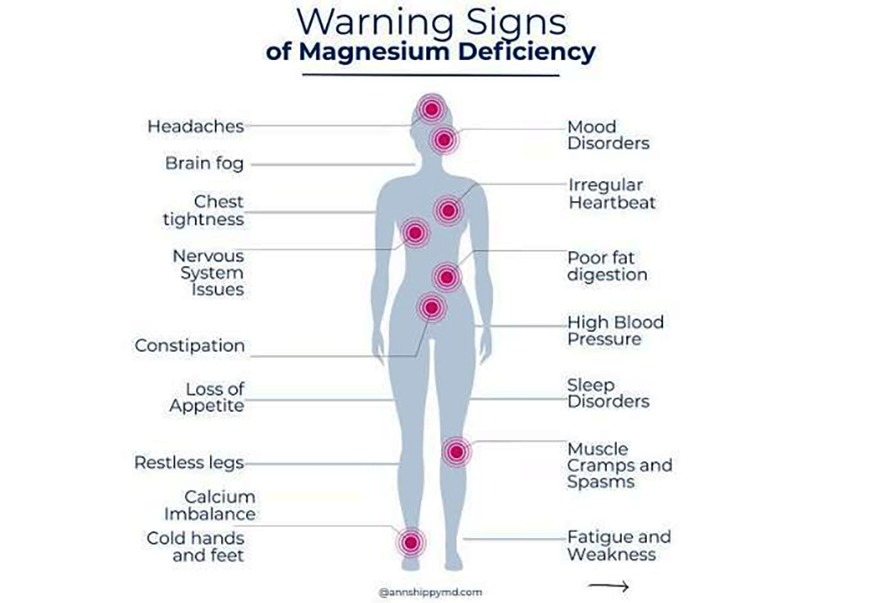
Symptoms can provide useful information, but they are not enough by themselves to diagnose magnesium deficiency. Common symptoms associated with low magnesium may include fatigue, weakness, loss of appetite, nausea, muscle cramps, muscle spasms, or tremors.
However, many of these symptoms can also occur with other nutritional deficiencies, medical conditions, dehydration, medication effects, or lifestyle factors.
More serious magnesium deficiency can be associated with abnormal heart rhythms or significant changes in calcium and potassium levels. Severe symptoms require prompt medical evaluation rather than self-treatment with magnesium supplements.
Who May Be at Higher Risk?
A healthcare professional may be more likely to investigate magnesium status when a person has factors that can increase the risk of deficiency.
Potential risk factors include:
- Certain gastrointestinal conditions that affect nutrient absorption
- Prolonged diarrhea or vomiting
- Some kidney conditions
- Excessive alcohol consumption
- Long-term use of certain medications
- Poor overall nutritional intake
- Conditions that affect nutrient absorption or metabolism
- Prolonged use of medications that can increase magnesium loss
Having one of these risk factors does not necessarily mean that a person is magnesium deficient. It simply may make further evaluation appropriate.
Can You Diagnose Magnesium Deficiency at Home?
Home magnesium testing kits and dietary assessments may provide information, but they should not be considered a substitute for a professional medical evaluation when deficiency is suspected.
Because magnesium status can be difficult to assess using a single measurement, interpreting a test result without considering the broader health picture may be misleading.
If you are experiencing persistent muscle cramps, weakness, fatigue, digestive symptoms, heart palpitations, or other unexplained symptoms, it is better to discuss them with a qualified healthcare professional rather than assuming that magnesium deficiency is the cause.
What Happens If Magnesium Deficiency Is Confirmed?
If testing and clinical evaluation suggest magnesium deficiency, treatment depends on why the deficiency occurred and how severe it is.
For mild or diet-related inadequacy, a healthcare professional may recommend increasing magnesium-rich foods such as:
- Pumpkin seeds
- Chia seeds
- Almonds and other nuts
- Beans and lentils
- Spinach and other leafy green vegetables
- Whole grains
- Avocado
- Some seafood
A magnesium supplement may sometimes be appropriate, but the type and amount should be selected based on individual circumstances. Taking more magnesium is not necessarily better, and excessive supplemental magnesium can cause diarrhea, nausea, and abdominal cramping.
People with kidney problems should be especially cautious because impaired kidney function can affect the body’s ability to eliminate excess magnesium.
The Bottom Line
Diagnosing magnesium deficiency is not always straightforward.
A blood magnesium test can provide useful information, but it may not fully reflect total magnesium stores because most magnesium is located in bones and tissues rather than in the bloodstream.
If you are concerned about magnesium deficiency, talk with a healthcare professional about your symptoms, diet, medications, medical conditions, and health history. A professional can determine whether testing is appropriate and help identify whether another condition may be contributing to your symptoms.
Medical Disclaimer: This information is for educational purposes only and is not intended to diagnose, treat, cure, or prevent any disease or medical condition. If you suspect magnesium deficiency or have persistent or severe symptoms, consult a qualified healthcare professional before taking magnesium supplements or making significant changes to your diet or treatment.