What Is Magnesium Deficiency? Magnesium deficiency occurs when the body does not have enough magnesium to meet its physiological needs. Magnesium is an essential mineral involved in hundreds of biochemical reactions, including processes related to energy metabolism, muscle and nerve function, electrolyte balance, and bone health. For most healthy people who consume a varied diet, severe magnesium deficiency is relatively…
How Much Magnesium Do You Need? Benefits of Magnesium.
What Are the Benefits of Magnesium? How Much Magnesium Do You Need? Knowing how much magnesium you need each day can help you make informed decisions about your diet and whether you may benefit from a magnesium supplement. Magnesium requirements vary depending on age, sex, and life stage. Most people can meet their daily needs through a balanced diet that…
What Foods Are High in Magnesium? Benefits of Magnesium.
What Foods Are High in Magnesium? A food-first approach is often a practical and nutritious way to increase your magnesium intake. Magnesium is found naturally in a wide variety of foods, particularly nuts, seeds, legumes, whole grains, and leafy green vegetables. Choosing magnesium-rich foods can provide more than just this essential mineral. Many of these foods also contain fiber, protein,…
Benefits of Magnesium?
What Are the Benefits of Magnesium? Magnesium and Blood Pressure Magnesium is an essential mineral involved in many processes that help maintain normal cardiovascular function, including normal blood pressure regulation. It works alongside other nutrients and physiological systems that help the heart, blood vessels, nerves, and muscles function properly. Blood pressure is influenced by many factors, including genetics, diet, physical…
Benefits of Magnesium? Magnesium and Bone Health
What Are the Benefits of Magnesium? Magnesium and Bone Health Magnesium plays an important role in bone health and contributes to the normal development and maintenance of the skeletal system. Although calcium and vitamin D often receive the most attention when discussing strong bones, magnesium is another essential mineral involved in maintaining healthy bone tissue. Your bones are living tissues…
Benefits of Magnesium? Magnesium and Energy Production
What Are the Benefits of Magnesium? Magnesium and Energy Production Your body needs magnesium for numerous biochemical reactions involved in energy metabolism. Every cell in the body requires energy to perform essential functions, from muscle movement and nerve signaling to maintaining normal heart function and supporting cellular repair. Magnesium plays an important role in these processes because it helps enzymes…
Benefits of Magnesium? Magnesium and the Nervous System
What Are the Benefits of Magnesium? Magnesium and the Nervous System Magnesium plays an important role in maintaining normal nervous system function. The brain, spinal cord, and peripheral nerves depend on precisely regulated electrical and chemical signals to communicate throughout the body. Magnesium contributes to several of the cellular processes involved in this communication. Because of its role in nerve…
Benefits of Magnesium? Magnesium and Muscle Function
What Are the Benefits of Magnesium? The potential benefits of magnesium are closely related to its role in normal physiological processes. Magnesium and Muscle Function Magnesium plays a fundamental role in normal muscle function, helping the body regulate muscle contraction, relaxation, and nerve signaling. Because muscles constantly rely on minerals and electrolytes to work properly, maintaining adequate magnesium intake is…
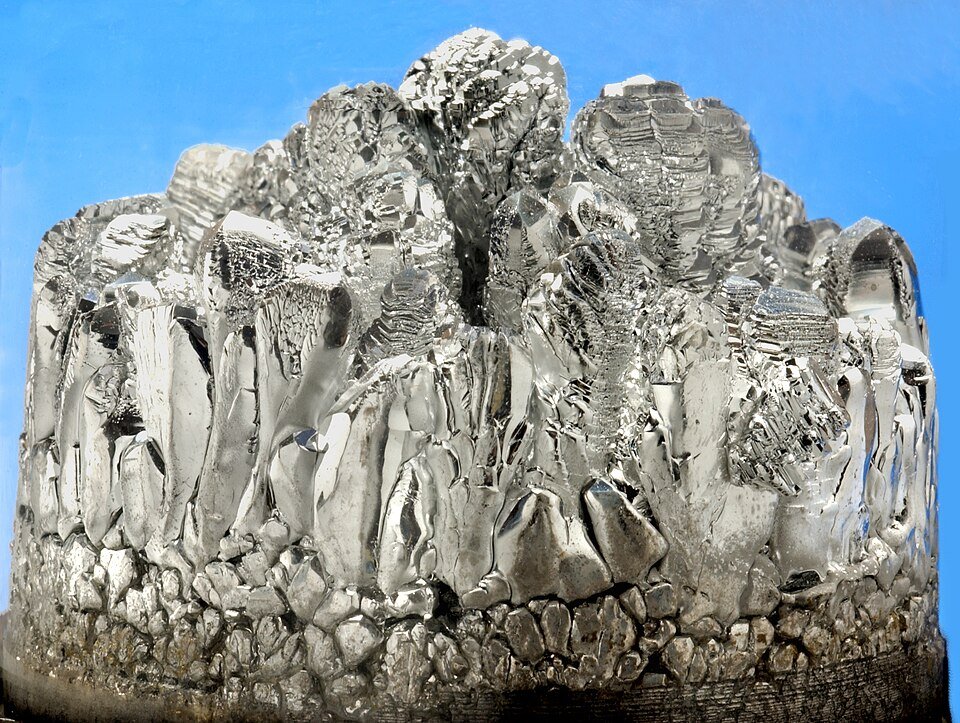
What’s Magnesium
What Is Magnesium? Magnesium is an essential mineral that the human body cannot produce on its own in sufficient amounts, which means it needs to come from food and, when appropriate, supplements. The mineral is involved in hundreds of biochemical reactions. It contributes to: Normal muscle function Nerve function Energy production Bone health Normal blood pressure regulation Protein synthesis Normal…